Known for its smooth, flowing strokes, Swedish massage forms the foundation of modern Western massage. Where it came from, why it works, and how it's performed.
Swedish massage is one of the most widely practiced forms of massage therapy in the world — and often the first style people experience when they book their very first spa session. Known for its smooth, flowing strokes, it forms the foundation of modern Western massage. Here's a closer look at where it came from, why it works, and how it's actually performed.
A Brief History
Despite its name, Swedish massage wasn't entirely invented in Sweden — its origins are a blend of several traditions. In the early 19th century, Swedish physiologist Per Henrik Ling developed a system of physical movements and exercises known as the “Swedish Movement System,” combining medical knowledge with gymnastics and massage-like techniques for rehabilitation.
Around the same period, Dutch practitioner Johan Georg Mezger is credited with refining and codifying the specific hands-on techniques — effleurage, petrissage, tapotement, and friction — using their French names, which are still used internationally today. Mezger's systemization of these strokes into a structured method is what most massage therapists now recognize as “Swedish massage.”
The technique spread through Europe and eventually to North America in the 19th and 20th centuries, becoming the basis for massage therapy education and practice across the Western world. Today, it's considered the entry point into more specialized modalities like deep tissue, sports massage, and myofascial release.
The Benefits
Swedish massage isn't just relaxing — it offers a wide range of physical and mental benefits.
Reduces muscle tension — The combination of kneading and long strokes helps release tightness in muscles, especially in areas prone to holding stress like the neck, shoulders, and lower back.
Improves circulation — The rhythmic pressure encourages blood flow, helping deliver oxygen and nutrients to tissues while supporting the removal of metabolic waste.
Lowers stress and cortisol levels — Slow, steady strokes activate the parasympathetic nervous system, shifting the body out of “fight or flight” and into a calmer, restorative state.
Eases mild pain and stiffness — Many people use Swedish massage to manage general aches, joint stiffness, and tension-related discomfort.
Supports better sleep — By calming the nervous system and reducing physical tension, a Swedish massage session often leads to deeper, more restful sleep afterward.
Boosts mood and mental clarity — The relaxation response triggered by massage can reduce anxiety and leave clients feeling mentally refreshed, not just physically relaxed.
Gentle enough for most people — Because pressure is adjustable and techniques are broad and flowing rather than deeply targeted, Swedish massage is considered a safe, accessible option for most clients, including those new to massage therapy.
The Methodology
Swedish massage is built around five core techniques, each with a specific purpose.
1. Effleurage (gliding strokes) — Long, smooth, gliding strokes performed with the palms, thumbs, or fingertips. Typically used at the start and end of a session, effleurage warms up the muscles, spreads massage oil, and helps the client relax into the treatment.
2. Petrissage (kneading) — A kneading motion where muscles are lifted, rolled, and squeezed — similar to kneading dough. This technique targets deeper muscle layers, helping to release tension and improve flexibility.
3. Tapotement (rhythmic tapping) — Light, rhythmic tapping, cupping, or hacking movements performed with the sides of the hands or fingertips. This stimulates the muscles and nervous system, often used toward the end of a session to invigorate rather than sedate.
4. Friction (deep circular movements) — Focused, deeper pressure applied in small circular or transverse movements, typically directed at specific problem areas like knots or areas of chronic tension.
5. Vibration / Shaking — A fine, rapid shaking motion applied with the hands or fingertips, used to relax muscles further and stimulate circulation in a targeted area.
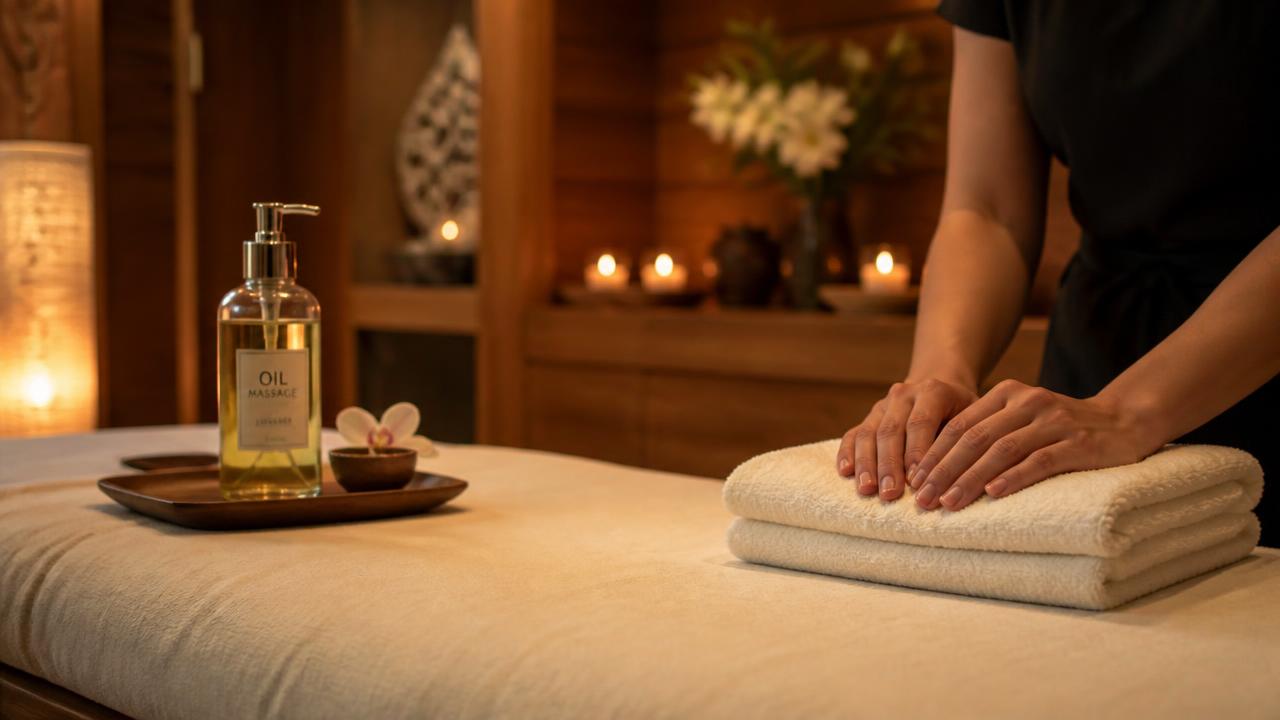
A typical Swedish massage session moves through these techniques in sequence — starting broad and gentle, moving into deeper work on areas of tension, and finishing with lighter strokes to leave the body feeling calm and balanced. Sessions usually last 60–90 minutes and are performed with the client lying on a padded table, using massage oil or lotion to allow the hands to glide smoothly over the skin.
Final Thought
Swedish massage endures because it strikes a balance few techniques manage: therapeutic enough to relieve real physical tension, yet gentle and rhythmic enough to feel deeply relaxing. Whether it's your first massage or your hundredth, it remains one of the most reliable ways to reset both body and mind.